Jul 1, 2026
How to Prepare Your Property for Storm Season
Simple steps to protect your home and trees before Pacific Northwest storms hit.

How to Prepare Your Property for Storm Season
Preparing your property for storm season means inspecting trees for hazards, trimming weak or overhanging branches, and clearing debris before high winds and heavy rain arrive. In Snohomish and Skagit County, the best time to prepare is late summer through early fall, before the region's wet winter storms begin.
Why Storm Prep Matters in the Pacific Northwest
Fall and winter bring the Pacific Northwest's strongest winds and heaviest rainfall, and saturated soil makes tree roots more likely to fail under pressure. Trees that seemed stable in dry summer months can become hazardous once the ground softens. Preparing ahead of time reduces the risk of fallen limbs, property damage, and power outages.
Steps to Prepare Your Property
Inspect trees for hazards. Walk your property and look for dead branches, cracks in the trunk, leaning trees, or roots lifting the soil. Any of these can signal a tree that won't hold up in high wind.
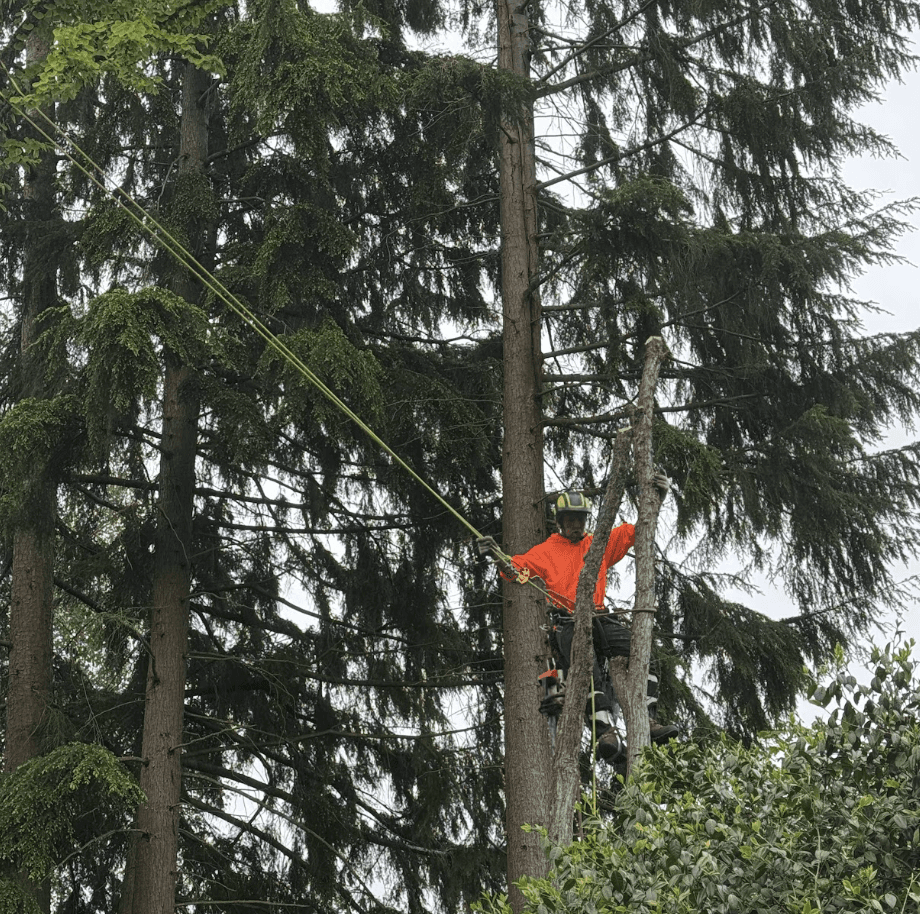
Trim overhanging and weak branches. Branches hanging over the roof, driveway, or power lines are the most likely to cause damage if they break. Trimming them back removes the risk before a storm arrives.
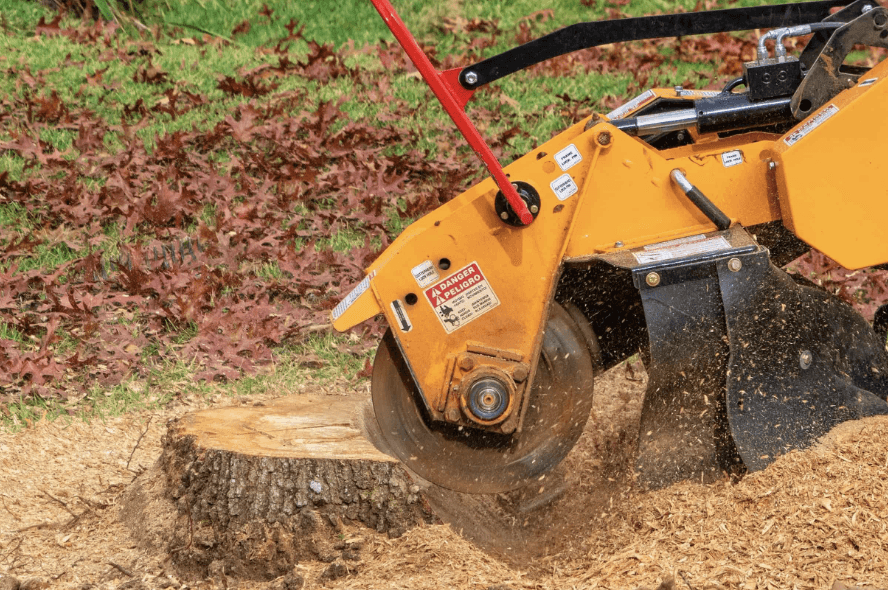
Remove dead or hazardous trees. A dead tree has no flexibility and little root stability, making it far more likely to fall in wind. Trees identified as hazards should be removed before storm season, not after.
Clear debris and loose limbs. Fallen branches, loose yard debris, and unsecured outdoor items can become projectiles in high wind. Clearing them ahead of time protects both your property and your neighbors'.
Check drainage around root zones. Standing water around a tree's base can weaken roots over time. Making sure water drains away from the trunk helps keep the root system stable through wet months.
What Happens If You Don't Prepare
Unaddressed hazards — a dead branch, a leaning tree, a weak root system — are far more likely to fail during a storm than in calm weather. Storm damage often means emergency tree removal, roof repair, and higher costs than a routine trim or removal would have cost beforehand.
Why Choose a Local, Experienced Crew
Tree Top Tree Service has helped Snohomish and Skagit County property owners prepare for storm season since 1987. Our crew knows which species and conditions in this region create the highest storm risk, and we inspect properties with that local experience in mind.
FAQ
When should I prepare my property for storm season in the Pacific Northwest?
Late summer through early fall is the best window, before the region's wet winter storms typically begin.
How do I know if a tree is a storm risk?
Warning signs include dead branches, cracks in the trunk, a new or worsening lean, and roots lifting the surrounding soil. A professional inspection can confirm whether a tree needs trimming or removal.
Does trimming really reduce storm damage?
Yes. Removing dead wood and thinning a dense canopy reduces wind resistance, which lowers the chance of broken limbs or a fallen tree during a storm.
What should I do if a tree already looks storm-damaged?
Avoid the area and contact a professional tree service for an inspection. Storm-damaged trees can be unstable even if the damage isn't obvious.